


7 Brilliant Interior Design Hacks to Transform Your Space
Introduction to the importance of interior design
There’s more to interior design than merely picking a color scheme and placing furniture.It’s about designing an area that suits your lifestyle and individuality. A well-designed room can elevate your mood, boost productivity, and even enhance your home’s energy flow. Small changes can significantly impact whether you’re moving into a new place or looking to refresh your current environment.
This blog post will explore seven brilliant interior design hacks that will transform your space and reflect your identity. From harnessing natural light to adding greenery, these tips are easy to implement and budget-friendly. Get ready to unleash your home’s full potential!
Utilizing natural light to brighten up a room
Natural light has a magical ability to transform any space. It creates warmth and enhances the colors in your room, making everything feel more inviting.
Start by assessing how sunlight enters your home. Large windows and open spaces allow for maximum brightness. If you’re lucky enough to have these features, embrace them fully.
Consider using sheer curtains or blinds that can be easily adjusted. This way, you control the amount of light without sacrificing privacy.
Mirrors are another great tool. Strategically placing them across from windows reflects light throughout the room, amplifying brightness even further.
Remember, lighter paint colors can also enhance natural light. Whites and soft pastels effectively bounce sunlight around, adding an airy feel to your living areas.
Remember your furnishings; choose lighter fabrics that complement this flow of natural illumination for a cohesive look.
Mirrors can be used to provide the impression of additional space.
Mirrors are a secret weapon in interior design. When placed strategically, they can make any room feel larger and more open, reflect light, and create depth.
Consider hanging a large mirror on one wall. This adds visual interest and gives the illusion of an extended space. A mirrored coffee table or accents can amplify this effect, reflecting the surrounding decor.
Feel free to use multiple smaller mirrors. Arranging them in creative patterns can transform a blank wall into an eye-catching focal point.
Position mirrors across from windows to capture natural light for even better results. The result? An airy ambiance that feels welcoming and bright without significant renovations or structural changes.
Incorporating plants for a touch of nature
Incorporating plants into your interior design can breathe life into any space. They provide calmness, color, and texture.
If you’re short on time, choose low-maintenance options like succuyou’reor snake plants. These greenery pieces thrive in various conditions and require minimal care.
For a dramatic effect, opt for larger statement plants such as fiddle leaf figs or monstera deliciosa. Positioned thoughtfully, they can become focal points that draw the eye.
Hanging planters are another creative way to elevate your decor while saving floor space. Consider trailing vines like pothos for an enchanting cascade effect.
I am trying to remember the benefits! Plants improve air quality and reduce stress levels, making them perfect companions for busy lives.
Mix different species for visual interest, and play with varying heights and colors to create depth within your design scheme.
Mixing and matching patterns and textures
Mixing and matching patterns and textures can breathe new life into your space. It’s all about creating visual interest without overwhelming the eyes.
Start with a foundation of neutral tones. This provides a balanced backdrop that allows various patterns to shine.
Choose a primary pattern, perhaps on a large scale, and then layer in smaller ones. Stripes paired with florals or geometric prints can create stunning contrasts.
Textures play an equally important role. For depth, combine smooth surfaces like glass with soft fabrics such as wool or velvet.
Don’t avoid unexpected combinations—mixing old treasures with contemporary pieces adds character and tells a story about you.
Remember that harmony is vital; ensure that at least one color connects everything to unify the look while maintaining diversity in design elements.
Creative storage solutions
Creative storage solutions can breathe new life into your space. Think beyond conventional cabinets and shelves. Explore vertical storage options like wall-mounted racks or floating shelves that draw the eye upwards.
Use decorative baskets to corral items while adding charm. They fit seamlessly into any room, from living areas to bathrooms, making organization stylish.
Multi-functional furniture serves a dual purpose. Consider ottomans with hidden compartments or coffee tables with built-in drawers for an effortless blend of form and function.
Repurpose everyday items as unique organizers. Vintage suitcases can hold blankets or books, while pegboards transform walls into functional art pieces for tools or craft supplies.
Remember to declutter regularly; less is more regarding effective storage solutions. Embrace creativity in your approach and watch how it enhances the aesthetics and practicality of your home.
The power of a fresh coat of paint
Any place may be transformed with a new coat of paint. It’s one of the most cost-effective ways to breathe new life into your home. Choose a color that speaks to you and sets the mood you desire.
Light colors make small rooms feel more spacious, while darker shades add warmth and coziness. Don’t hesitate to experiment with bold hues on an accent wall; they create a striking focal point that draws the eye.
Textures also influence how paint transforms a room. For added vibrancy and durability, consider matte finishes for subtle elegance or glossy ones.
Remember, painting isn’t just about walls—think doors, moldings, and furniture, too. Each stroke adds character, making your space uniquely yours. Whether refreshing tired areas or redefining spaces entirely, paint is your secret weapon in interior design transformation.
implementing these hacks for a beautifully designed space
Implementing these hacks can be both fun and rewarding. Start by assessing your space. Identify areas that need brighter light or more texture.
Once you’ve pinpointed those spots, bring in natural elements like plants. They not only add color but also improve air quality. A few strategically placed mirrors can work wonders, too, reflecting light and creating a sense of openness.
Next, consider storage solutions. Stylish baskets or floating shelves can declutter while enhancing aesthetics. Please don’t shy away from mixing patterns, either; it adds depth to your design.
Remember the transformative power of paint. A fresh hue on the walls can breathe new life into any room, making it feel personalized and inviting.
Take small steps at first—experiment! You’ll soon have a beautifully designed space that feels uniquely yours.
Conclusion:
Transforming your space doesn’t require a complete overhaul. With these seven interior design hacks, you can easily elevate the look and feel of any room. Remember, small changes can yield significant results. Whether harnessing natural light or incorporating fresh plants, every tweak contributes to the overall ambiance.
Embrace creativity when mixing patterns and textures for a unique flair. Don’t underestimate clever storage solutions; they keep your space organized while maintaining aesthetic appeal. And who could forget the dramatic effect of a new paint color?
By implementing these strategies, you’re well on your way to creating an inviting environment that reflects your personal style. Let each element come together harmoniously to transform your space and enhance your daily experience. Dive in and start experimenting with these ideas today!

The Art of Comfort: Understanding Why Design Matters in Furniture
Introduction to the Importance of Design in Furniture
When you think about furniture, what comes to mind? A place to sit or lie down? While that’s undoubtedly true, there’s so much more beneath the surface. Furniture design plays a pivotal role in our daily lives—it affects how we feel in our spaces and influences our overall well-being.
Imagine sinking into a plush sofa after a long day or enjoying the gentle curve of an elegantly designed chair. Comfort is not just a luxury but essential for creating inviting environments where we can relax and thrive—understanding why design matters can transform your living space from merely functional to genuinely exceptional as styles evolve.
Join us as we explore the art of comfort in furniture design, its history and significance, and how you can embrace these principles in your home. Whether you’re redecorating or simply curious about what makes certain pieces stand out, there’s something here for everyone who values aesthetics and comfort in their surroundings.
Historical Background and Evolution of Furniture
Furniture has been an integral part of human civilization for centuries. Its history reflects cultural shifts, technological advancements, and changing lifestyles.
In ancient Egypt, furniture was often crafted from wood and adorned with intricate carvings. Wealthy families showcased their status through ornate pieces that combined functionality with artistry.
As societies evolved, so did the materials used in furniture making. The Middle Ages saw a shift towards practicality, with sturdy wooden benches and tables becoming commonplace in homes.
The Renaissance sparked a revival of craftsmanship and design aesthetics. Furniture became more elaborate again, emphasizing beauty alongside utility.
The Industrial Revolution marked another turning point. Mass production made furniture accessible to the masses while introducing new materials like metal and plastic.
Over time, personal taste began to influence design more prominently. Today’s designs blend historical influences with contemporary trends for unique expressions of comfort and style.
The Role of Comfort in Furniture Design
Comfort is at the heart of furniture design. It goes beyond mere aesthetics. The way a piece feels can transform a space and influence our well-being.
Sitting on a sofa or leaning back in an armchair, we’re not just looking for support; we crave relaxation. Designers understand this intrinsic need and blend ergonomics with style to create pieces that invite you to linger.
The materials used also play a crucial role in comfort. Soft fabrics, plush cushions, and supportive structures make all the difference. This attention to detail can elevate the ordinary into something extraordinary.
Moreover, comfort impacts productivity. A well-designed workspace fosters focus while ensuring physical support throughout tasks.
Actual comfort balances functionality with aesthetic appeal, making every moment spent in such spaces enjoyable and refreshing.
How Color, Texture, and Material Impact Comfort
Color plays a vital role in our perception of comfort. Soft, muted tones often create a serene atmosphere, while bright colors can energize a space. Choosing the right palette influences how we feel when we enter a room.
Texture adds another layer of comfort. A plush velvet sofa invites you to sink in and relax, whereas rougher materials might make you tense up. The tactile experience matters; it shapes our interaction with furniture.
Material choice also significantly impacts comfort levels. Natural fibers like cotton or wool breathe better than synthetic, enhancing overall relaxation. Likewise, solid wood brings warmth and stability that engineered products might lack.
Color, texture, and material weave an intricate tapestry that defines our lounging experiences at home. Thoughtful selections lead to spaces where comfort reigns supreme and aesthetics harmoniously coexist.
Case Studies of Successful Comfort-Driven Furniture Designs
One remarkable example is the Eames Lounge Chair. It was designed by Charles and Ray Eames in 1956 and seamlessly blends style with comfort. The chair’s molded plywood shell and supple leather cushions create an inviting, relaxing space.
Another standout is the Stressless Recliner from Ekornes. This Norwegian design prioritizes ergonomics while maintaining a sleek aesthetic. Its patented reclining mechanism adjusts to your body’s movements, providing unparalleled support.
The Tansu Sofa by Muji showcases minimalist design without sacrificing coziness. Its simple lines and soft fabric invite you to sink into its embrace after a long day.
Consider the iconic Chesterfield Sofa. Known for its deep button tufting and rolled arms, this piece has been reimagined in numerous materials while retaining its comforting allure across generations of furniture lovers.
The Intersection of Aesthetics and Functionality in Furniture Design
Furniture design is a delicate balance between beauty and utility. A piece can be stunning yet impractical or highly functional but visually unappealing. Successful designers navigate this intersection with finesse.
Consider the ergonomic chair. It boasts sleek lines and modern appeal while supporting proper posture. Its aesthetic draws you in, but its functionality keeps you comfortable during long work hours.
Similarly, modular furniture shines in both areas. It adapts to various spaces and lifestyles without sacrificing style. Transforming a living room into an office seamlessly showcases how form meets purpose.
This blend encourages us to rethink our choices when furnishing our homes. The right pieces elevate the visual landscape and everyday experiences, making each moment spent within those spaces more enjoyable and fulfilling.
Tips for Incorporating Comfortable Design into Your Home
Creating a comfortable home involves thoughtful design choices. Start by selecting furniture that invites relaxation. Sofas with deep cushions and ergonomic chairs can transform your living space into a cozy retreat.
Layering textiles adds warmth. Use soft throws, plush pillows, and area rugs to create inviting nooks throughout your home. These elements not only enhance comfort but also contribute to the overall aesthetic.
Lighting also plays a crucial role. Opt for warm lighting options like table lamps or dimmable fixtures to achieve an ambiance that encourages unwinding after a long day.
Remember functionality when choosing pieces for high-traffic areas. Durable materials and easy-to-clean fabrics are essential for maintaining beauty and comfort in spaces used frequently.
Personalize your environment with items that resonate emotionally—pictures, souvenirs, or art can make any room feel like it truly belongs to you.
Why We Should Pay Attention to Design in Our Furniture Choices
Furniture is more than just objects we sit on or place our belongings. Each piece tells a story and reflects our personality. Choosing the right design can transform a space, making it feel inviting and warm.
When we prioritize design, we uplift our daily experiences. A well-designed chair can improve posture and make long hours of sitting more enjoyable. This attentiveness enhances both comfort and productivity.
Moreover, thoughtful furniture choices affect mood and ambiance. Colors stimulate creativity, while softer textures promote relaxation. Our surroundings shape how we feel.
Investing in quality design also leads to sustainability. Timeless pieces often last longer, reducing waste over time. Every choice impacts not only our homes but also the environment.
Embracing good design fosters a deeper connection with our spaces. It encourages us to appreciate art’s role in everyday life, reminding us that beauty can coexist with functionality.
Conclusion:
The design of furniture goes far beyond mere aesthetics. It intertwines with our daily experiences and wellbeing. Comfortable furniture is essential for creating spaces where we can unwind, socialize, and thrive.
As we’ve explored, furniture’s evolution reflects changing lifestyles and needs. Historical shifts in materials and styles show a continuous quest for balance between form and function.
Comfort plays a crucial role in this equation. It’s not just about how something looks; it’s about how it feels to use it day after day. The right color, texture, and material can transform an ordinary piece into your favorite spot at home.
Successful designs prioritizing comfort demonstrate the impact thoughtful choices can have on our lives. Examining these examples inspires us to seek pieces that serve our aesthetic desires and functional requirements.
A harmonious blend of beauty and practicality elevates space while providing the cozy refuge we crave. Incorporating comfortable design elements into your home means choosing items that resonate with you while promoting relaxation.
Paying attention to design in our furniture choices enriches our environments significantly. Making informed decisions based on comfort principles creates spaces that reflect who we are while prioritizing wellbeing.
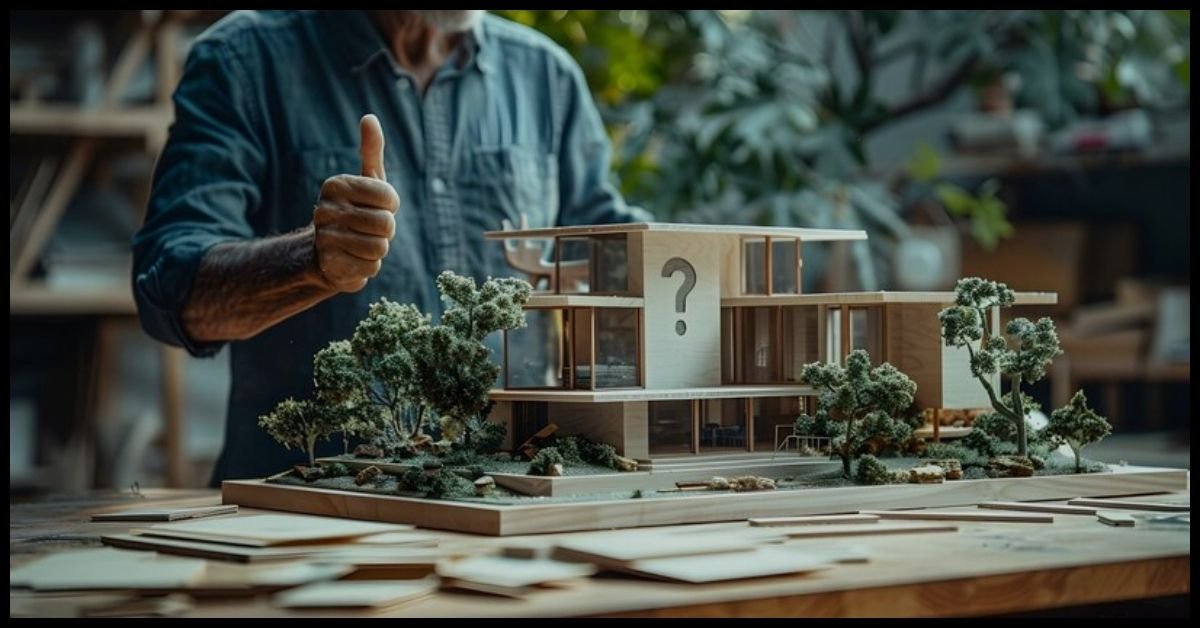
Maximize Your Investment: When and How to Revalue Your Property
Owning property is more than just a financial investment; it’s a commitment to building wealth and securing your future. But how do you ensure you get the most out of that investment? One effective strategy is revaluing your property. This process helps you understand its current market worth and opens up opportunities for growth and profit. Whether you’re considering selling, refinancing, or simply wanting to keep tabs on your asset’s value, knowing when and how to revalue can make a significant difference in your financial landscape.
Let’s explore the ins and outs of property valuations when to take action, and what steps you should follow for successful results.
Understanding Property Valuations
Property valuations are an essential aspect of real estate. They determine a property’s worth based on various factors, such as location, size, condition, and market trends.
The valuation process typically involves professional appraisers who use standardized methods to assess value. They look at comparable properties in the area, known as “comps,” to understand what similar homes sell for.
Different types of valuations exist, too—market value reflects what buyers are willing to pay, while assessed value is often used for tax purposes. Understanding these distinctions helps property owners navigate their investments strategically.
Real estate markets fluctuate over time due to economic conditions or local developments. Staying informed about how these changes affect your property’s worth is vital to making sound financial decisions.
Reasons to Revalue Your Property
Revaluing your property can open doors to new financial opportunities. One primary reason is market fluctuations. Real estate markets shift over time, significantly influencing property values.
Another compelling factor is your renovations or improvements. Upgrading kitchens, adding bathrooms, or enhancing curb appeal can dramatically increase value.
Additionally, changes in the neighborhood play a crucial role. New developments, schools, or commercial establishments nearby can boost demand for your property.
If you’re considering refinancing your mortgage, revaluation becomes essential. A higher appraised value might unlock better loan terms and lower interest rates.
Staying informed about tax assessments is vital. An updated valuation ensures you’re paying the correct property taxes based on current worth rather than outdated figures that no longer reflect reality.
Signs That It May Be Time to Revalue
Changes in the local market can be a strong indicator. If property values in your area have surged, it may be wise to reassess yours. This shift could mean untapped equity waiting for you.
Additionally, significant renovations or upgrades you’ve made shouldn’t go unnoticed. Enhancements like a new kitchen or space increase your property’s worth.
Another sign is if you’re considering refinancing. Lenders typically require an updated valuation to determine how much they’re willing to lend based on current property value.
If you’re leasing out the property, keep an eye on rental income trends. A spike in demand can signal it’s time for a revaluation, ensuring you stay on the table with outdated pricing strategies.
Steps to Revaluing Your Property
Revaluing your property involves several key steps that can help you understand its current worth.
Start by gathering recent sales data for similar properties in your area. Look at homes with comparable features and conditions. This will give you a baseline for evaluation.
Next, consider hiring a professional appraiser. An expert can provide an accurate assessment based on various factors, such as location, size, and market trends.
Don’t remember to factor in improvements made to the property. Upgrades such as new roofing or remodeled kitchens often increase value significantly.
Once you have all this information, compare it against current market rates. If your findings show substantial changes since the last valuation, it might be time to adjust your financial strategy.
Keep documentation organized throughout this process. Maintaining precise records will aid future evaluations and decisions regarding refinancing or selling.
The Benefits of Revaluing Your Property
Revaluing your property offers several advantages. It provides an updated perspective on its current market value, which can significantly influence your financial decisions.
Knowing the accurate worth can be vital for homeowners when considering a sale or refinancing options. An increased valuation might allow you to access better loan terms.
Investors benefit, too. A revaluation helps identify underperforming assets and informs strategies for improvement or potential liquidation.
Moreover, staying informed about your property’s value aids in tax assessments. If the market has shifted favorably, you could lower your property taxes by contesting inflated evaluations.
Another perk is enhanced credibility with lenders and investors. A recent valuation adds transparency to financial discussions and boosts negotiation trustworthiness.
Regular revaluations keep you agile in responding to market trends, ensuring you’re always one step ahead of changes that could impact your investment strategy.
Potential Risks and Considerations
Revaluing your property can be beneficial, but it’s with risks. One of the main concerns is market volatility. Property values fluctuate due to economic conditions, and a revaluation during a downturn could lead to disappointing results.
Another consideration is the cost involved in the valuation process. Hiring professionals for appraisals or inspections can add up quickly, so weighing these expenses against potential gains is essential.
Additionally, lenders may impose stricter criteria if you plan to refinance based on a new valuation. If your property value returns lower than expected, it might hinder your financial plans.
Emotional attachment can cloud judgment. Seeing your home as an investment requires detachment; otherwise, decisions about revaluations might be influenced by personal feelings rather than objective data.
Conclusion
Revaluing your property is an essential part of intelligent real estate management. It lets you keep pace with market trends, ensure your investments perform optimally, and make informed financial decisions. By understanding when and how to revalue your property, you can maximize its potential and align it with your overall investment strategy.
As the property landscape evolves, staying proactive ensures you’re not leaving money on the table. Being aware of these factors will effectively guide you through this process, whether it’s due to renovations, changes in the neighborhood, or shifts in demand.
Please don’t overlook the signs that indicate it might be time for a revaluation. Regular assessments help uncover opportunities that could significantly enhance your investment’s worth.
Knowing when and how to take action gives you greater control over your assets. This approach empowers you as a property owner and a savvy investor ready to navigate any market conditions confidently.

From Wall Art to Indoor Plants: Elevate Your Space with These Decor Ideas
Introduction to Indoor Plants
Your living space is more than just four walls; it’s a canvas waiting to reflect your personality and style. The right decor can transform an ordinary room into a sanctuary filled with warmth, creativity, and inspiration. Whether you’re looking to inject some color or bring nature indoors, the choices are endless. From stunning wall art that sparks conversation to lush indoor plants that breathe life into your home, let’s explore how these elements can elevate your surroundings and create an inviting atmosphere you’ll love coming back to every day.
The impact of decor on our living spaces
Decor plays a significant role in shaping our living environments. It reflects our personality and style, making spaces feel like home.
When thoughtfully chosen, decor can transform an ordinary room into something extraordinary. Colors, textures, and patterns work together to create ambiance. A cozy atmosphere invites relaxation; vibrant colors spark creativity.
Moreover, decor influences mood and well-being. Certain elements can calm the mind while others energize it. This emotional connection is often overlooked but crucial for creating harmonious spaces.
Beyond aesthetics, the decor also serves practical purposes. It helps define areas within open layouts or adds functionality through furniture arrangement and accessories.
The right pieces tell stories about who we are and where we’ve been. Each item carries memories or aspirations that shape daily life experiences, enhancing comfort and inspiration within our homes.
Wall Art: Different types and how to choose the right one for your space
Wall art can transform any room, adding character and depth. There are countless types, from paintings and prints to photography and mixed media.
Choosing the right piece starts with understanding your style. Are you drawn to abstract designs or classic landscapes? Identify what resonates with you.
Next, think about size and placement. A large canvas can be a stunning focal point in a living area, while smaller pieces work well in clusters for an eclectic vibe.
Color is another crucial factor. Select artwork that complements your existing color scheme or introduces new hues for contrast.
I don’t remember about framing! The right frame adds sophistication and seamlessly ties the artwork into your decor, enhancing its overall impact on your space without overshadowing it.
Indoor Plants: Benefits and tips for choosing the perfect plants for your home
Indoor plants bring life to any space. They enhance aesthetics and improve air quality. Many varieties filter toxins and increase humidity, leading to a healthier environment.
When choosing the right plants for your home, consider light levels. Some thrive in bright sunlight, while others prefer low-light conditions. Assessing your living area’s natural light is essential.
Maintenance matters, too. If you’re busy or new to gardening, opt for low-maintenance species. Snake plants and pothos are great starters.
Think about the size of your space as well. Larger plants, like fiddle leaf figs, make bold statements, while smaller succulents fit snugly on shelves or desks.
Consider personal style when selecting pots and planters. Colorful ceramic pots can add vibrancy, while sleek designs offer a modern touch. The possibilities are endless!
Combining Wall Art and Indoor Plants: Creative ways to elevate your space
Wall art and indoor plants can create a dynamic atmosphere in your home. Layer colorful artwork with lush greenery for a captivating look.
Consider hanging frames at varying heights. Position small plants on shelves or tables to connect the pieces visually. This arrangement draws the eye across the room, creating an inviting flow.
Another great option is to use plant hangers. Suspend them near striking wall art to enhance vertical space. A trailing vine alongside a vibrant canvas adds depth and movement.
I am trying to remember color coordination! Choose plants that complement your artwork’s hues. A bright painting paired with rich green foliage can transform your living area into an oasis of style.
Experiment with different textures, too—mix smooth surfaces of paintings with the organic feel of leaves. This contrast enriches your decor and invites curiosity from guests who enter your space.
DIY Decor Ideas: Budget-friendly options for adding a personal touch to your decor
Transforming your space doesn’t have to cost a fortune. DIY decor offers endless possibilities for creativity and personalization.
Start with simple wall hangings made from fabric scraps or old t-shirts. A colorful backdrop can breathe life into any room.
Consider creating photo collages using thrifted frames. Mix sizes and styles for an eclectic feel that showcases cherished memories.
Upcycle furniture pieces, like painting a tired chair in a bold color or re-staining an old table for a fresh look.
Pay attention to mason jars; they make perfect vases or storage containers. To add charm, fill them with fairy lights or dried flowers.
Try making your candles with essential oils for an ambiance that reflects your personality and scent preferences. These projects are fun and provide unique touches that you can only create!
Conclusion
Creating a beautiful and inviting living space is all about making thoughtful choices. The decor you select can dramatically influence the atmosphere of your home, turning it into a sanctuary that reflects your personality.
Wall art is a powerful tool for expressing yourself. From bold abstracts to serene landscapes, choosing pieces that resonate with you can set the mood for any room. Pairing these visuals with indoor plants adds another layer of life and vibrancy. Plants purify the air and bring warmth and color to your environment.
Combining wall art and greenery creates an eye-catching focal point in any area. For maximum impact, arrange smaller artworks alongside trailing vines or hanging planters. Meanwhile, DIY decor projects allow you to infuse personal flair without breaking the bank.
Embrace creativity in your decorating journey. Explore various styles, experiment with different arrangements, and watch how simple changes can transform your space into something extraordinary.

Epoxy Rescue: How to Smooth Out Dimples for a Flawless Finish
Introduction to Epoxy Resin and Its Uses
Epoxy resin has become a favorite among DIY enthusiasts and professionals alike. Its versatility makes it perfect for crafting stunning river tables and sealing surfaces with a glossy finish. However, the journey to that flawless look isn’t always smooth. Dimples and imperfections can crop up unexpectedly, leaving your masterpiece looking less than ideal.
Fear not! If you’ve ever been frustrated by those pesky dimples in your epoxy projects, you’re in the right place. This guide will walk you through practical techniques to tackle these issues head-on, ensuring your work shines bright and beautiful every time. Whether you’re a seasoned pro or just starting, mastering this skill will elevate your craft game significantly. Let’s dive into the world of epoxy rescue!
Common Dimples and Imperfections in Epoxy Projects
Epoxy resin is famous for various projects, from countertops to artistic creations. However, achieving that perfect glass-like finish can be challenging.
One common issue is dimples. These small indentations often occur when bubbles or impurities are trapped in the resin during curing. They can disrupt the smooth surface you desire.
Another imperfection seen frequently is an uneven cure. Factors like temperature and humidity play significant roles here. If conditions aren’t ideal, epoxy parts may not harden uniformly, leaving patches that appear glossy next to dull areas.
You might also encounter scratches or dust particles embedded in your finished piece. Even minor debris can spoil appearances if overlooked at any project stage.
Understanding these imperfections will help you address them effectively and enhance your skills as you work with epoxy resin.
Preparing Your Work Area and Tools
Creating the right environment is crucial for a successful epoxy project. Start by selecting a clean, clutter-free workspace with good ventilation. Epoxy can release fumes, so fresh air is essential.
Gather all your tools before you begin. You’ll need gloves to protect your hands, mixing cups for accurate measurements, and stirring sticks to thoroughly mix the resin and hardener. A heat gun or torch will be invaluable for eliminating bubbles in the final product.
Ensure your surfaces are level to prevent uneven curing. Lay down plastic sheeting or drop cloths to catch any spills—epoxy can be tricky to remove from floors and countertops once it sets.
Maintain an organized space throughout the process. This helps find tools quickly and minimizes distractions that could lead to mistakes in your epoxy application.
Step-by-Step Guide to Fixing Dimples in Epoxy
Start by assessing the dimples. Identify their depth and size. This will guide your approach.
Next, gather your tools: fine-grit sandpaper, a sanding block, and clean clothes. These are essential for smoothing out imperfections without causing further damage.
Begin sanding gently over the affected area. Use circular motions to blend the dimpled surface with the surrounding epoxy. Be patient; this process may take some time.
Once you’ve smoothed it out, wipe away any dust using a clean cloth. This prepares the surface for repair.
Mix a fresh batch of epoxy resin according to the manufacturer’s instructions. Carefully apply it to the repaired area, ensuring it fills any gaps left by sanding.
Allow it to cure completely before moving on or applying additional layers for an even finish.
Tips for Preventing Dimples in Future Projects
Start with a clean surface to prevent dimples in your epoxy projects. Dust and debris can easily trap air bubbles, resulting in imperfections.
Control the temperature where you work. Epoxy cures best in stable conditions between 70°F and 80°F (21°C and 27°C). To prevent issues, avoid working on cold or overly warm surfaces.
Mix your resin slowly and carefully. Vigorous stirring introduces air into the mixture, leading to unwanted bubbles that may form dimples once cured.
Consider using a heat gun or torch after pouring. Gently applying heat helps release trapped air bubbles before they can settle into the surface.
Practice makes perfect. Experiment with different techniques on small projects first until you find methods that deliver consistent results without those pesky dimples lurking around.
Using Other Techniques for a Perfect Finish
Exploring alternative techniques can elevate your project when aiming for a flawless epoxy finish. One popular method is using a heat gun or torch. Gently passing it over the surface helps release trapped air bubbles that may cause dimples.
Another option is to sand and polish after curing. Start with coarse grit sandpaper to remove imperfections, then progress to finer grits for smoothness. A buffing compound can add shine, enhancing the overall appearance.
Consider applying a topcoat as well. Products like polyurethane or acrylic sealants provide an extra layer of protection while improving aesthetics.
Experimenting with different pouring methods also yields exciting results. Pouring in layers allows better control over thickness and flow, reducing dimple formation from uneven distribution.
Each technique offers unique benefits, allowing you to find what works best for your style and needs without compromising quality.
Conclusion and Final Thoughts
Achieving a flawless finish with epoxy resin can feel like an uphill battle, especially when dimples and imperfections appear unexpectedly. However, understanding the nature of these issues and how to address them makes the process much more manageable.
You can effectively smooth out those unsightly dimples with the proper preparation and tools. The step-by-step guide shared here equips you with practical techniques that lead to impressive results.
Moreover, adopting preventive measures will help ensure your future projects are dimple-free. And if you’re looking for alternatives or enhancements beyond traditional sanding and buffing methods, exploring other finishing techniques might elevate your work to new heights.
Embrace the journey of mastering epoxy resin crafting. Each project brings valuable lessons that enhance your skills. With patience and practice, you’ll create stunning pieces that showcase your creativity and have a professional-level finish. Happy crafting!

Exploring the Essential Plumbing Features of Don Nichols: A Comprehensive Guide
Introduction to Don Nichols and his Plumbing Career
In the bustling world of plumbing, few names resonate as strongly as Don Nichols. With decades of experience, his expertise has transformed countless homes and businesses. Plumbing is often taken for granted until a leak or a clog strikes unexpectedly. That’s when the actual value of an efficient plumbing system becomes crystal clear. This comprehensive guide will take you through the essential features that define Don Nichols’ work, from the basics of pipes and drains to common issues homeowners face today. Whether you’re a DIY enthusiast or simply curious about what makes plumbing tick, you’ll find plenty of insights here to help elevate your understanding and appreciation for this vital trade. Let’s dive in!
The Importance of Efficient Plumbing Systems
Efficient plumbing systems are the backbone of any home or business. They ensure water flows smoothly and waste is disposed of effectively, creating a comfortable living environment.
When plumbing works efficiently, it saves time and money. Through effective resource management, homeowners can avoid costly repairs and minimize water bills.
A reliable plumbing system also contributes to health and hygiene. Proper drainage prevents moisture buildup, reducing the risk of mold growth, which can lead to respiratory issues.
Moreover, efficient systems enhance property value. Prospective buyers often view well-maintained plumbing as a significant asset when evaluating a property.
In today’s world, where sustainability is critical, efficient plumbing is essential in conserving water resources. Each drop saved contributes to environmental preservation while promoting responsible consumption habits among homeowners.
Understanding the Basics of Plumbing: Pipes, Drains, and Fixtures
Plumbing is often taken for granted, yet it plays a vital role in our daily lives. At its core, plumbing consists of three essential components: pipes, drains, and fixtures.
Pipes are the lifelines that carry water throughout your home. They are made of various materials, such as copper, PVC, and PEX. Each type has advantages, depending on factors like cost and durability.
Drains are equally important; they ensure wastewater exits efficiently. A well-designed drainage system prevents clogs and unpleasant odors from invading your space.
Fixtures bring functionality to life—sinks, toilets, and showers are just a few examples. These elements not only provide convenience but also contribute to the aesthetic appeal of your home.
Understanding these basics helps you appreciate how interconnected everything is within your plumbing system. It also empowers homeowners to make informed decisions when facing issues or planning upgrades.
Different Types of Plumbing Materials Used by Don Nichols
Don Nichols utilizes a range of plumbing materials tailored to specific needs. Copper is one of his favorites. It’s durable and corrosion-resistant, perfect for hot and cold water lines.
PVC (polyvinyl chloride) pipes are another staple in his toolkit. Lightweight and easy to install, they work wonders for drainage systems.
You might find him opting for black iron pipes for gas lines. These provide strength and reliability where high pressure is involved.
PEX (cross-linked polyethylene) has also gained popularity. Flexible, easy to handle, and resistant to scale buildup, it’s an excellent choice for residential plumbing projects.
Each material serves its purpose effectively under various conditions, showcasing Don’s commitment to quality artistry. His knowledge ensures that every installation meets industry standards while providing lasting solutions for homeowners.
Tips for Maintaining a Well-Functioning Plumbing System
Regular inspections can save you a lot of hassle. Every month, check for leaks under sinks and around toilets. A small drip today could lead to significant damage tomorrow.
Pay attention to your drains. Keep them clear by using strainers in sinks and tubs. Avoid pouring grease down the drain; it solidifies and causes blockages over time.
Be mindful of what goes into your toilet, too. Only flush waste and biodegradable paper products—nothing else should go down there.
Consider your water pressure as well. If it’s unusually high or low, it may indicate an underlying issue that needs attention.
Know where your main shut-off valve is located. Quick action in an emergency can significantly minimize water damage.
Common Plumbing Issues and How Don Nichols Handles Them
Leaky faucets, clogged drains, and running toilets are just a few common plumbing issues that can disrupt daily life. Don Nichols has seen them throughout his extensive career.
When faced with a leaky faucet, he employs precise techniques to identify the exact source of the problem. Often, it’s just a worn-out washer or O-ring needing replacement.
Clogged drains require more than a plunger. Don uses specialized tools, such as drain snakes, to clear stubborn blockages effectively without causing further damage.
He quickly diagnoses whether the flapper or fill valve is at fault for persistently running toilets and provides swift solutions to restore household peace.
His hands-on approach ensures that every issue is addressed efficiently, providing long-lasting results for clients who depend on reliable plumbing systems daily.
The Future of Plumbing and Don Nichols’ Contributions
The future of plumbing is evolving rapidly. Innovations in technology are reshaping how systems are designed and maintained. Don Nichols has been at the forefront of these changes.
His expertise extends to innovative plumbing solutions that enhance efficiency and conserve water. By incorporating sensors and automation, he helps homeowners monitor their usage in real time.
Sustainability is another focus for Nichols. He advocates for eco-friendly materials that reduce environmental impact without sacrificing quality or durability.
Moreover, his training programs prepare new plumbers to embrace modern techniques, ensuring a skilled workforce ready to tackle tomorrow’s challenges.
As the industry shifts towards greener practices and intelligent technologies, contributions from professionals like Don Nichols will be vital in shaping its trajectory. His commitment elevates service standards and inspires innovation across the board.
Embracing the Expertise of Don Nichols for Quality
When it comes to plumbing, expertise makes all the difference. Don Nichols has built a reputation for delivering quality work that stands the test of time.
His approach combines traditional skills with modern techniques. This blend ensures efficient systems that meet today’s demands while being environmentally friendly.
Clients appreciate his attention to detail and commitment to excellence. Every project, whether it’s a simple repair or an extensive installation, is handled with precision.
Don’s experience shines through in every job he undertakes. He understands the nuances of various plumbing challenges and adapts quickly to find practical solutions.
By choosing Don Nichols, homeowners invest not just in service but also in peace of mind, knowing they are backed by years of knowledge and dedication. His emphasis on quality transforms potential headaches into seamless experiences for everyone involved.
Conclusion:
The world of plumbing is intricate yet essential to our daily lives. Don Nichols exemplifies the commitment and expertise that make a difference in this field. His extensive knowledge, from efficient systems to innovative materials, reflects the evolution of plumbing practices over time.
Understanding essential components like pipes and fixtures can help homeowners appreciate the importance of a well-functioning system. Experts like Nichols’ insights are vital resources for anyone looking to maintain or improve their plumbing setup.
As we look ahead, it’s clear that professionals like Don will continue shaping the future of plumbing with their contributions. Embracing such expertise ensures quality artistry and promotes sustainable practices within the industry. Individuals can enjoy functional and efficient plumbing for years by taking these lessons to heart.
Choosing knowledgeable professionals makes all the difference in maintaining your home’s infrastructure. Trusting experts who have dedicated themselves to mastering their craft leads to reliability and excellence in home maintenance.