


Brushed Nickel: The Perfect Blend of Elegance & Durability for Your Home!
Introduction
When it comes to home décor and hardware finishes, few materials offer the perfect mix of timeless elegance and lasting durability like brushed nickel.
Whether you’re upgrading your kitchen, bathroom, or lighting fixtures, this sophisticated metal finish adds a touch of class while resisting wear and tear.
In this guide, we’ll explore why brushed nickel is a top choice for homeowners, how it compares to other finishes, and the best ways to incorporate it into your home! ✨
What Is Brushed Nickel?
Brushed nickel is a metal finish created by etching nickel with a wire brush or similar tool to produce a soft, matte texture. Unlike polished or chrome finishes, brushed nickel has a subtle sheen that reduces fingerprints and water spots, making it an ideal choice for high-traffic areas.
Key Features:
✔️ Satin-like, soft metallic appearance
✔️ Durable & corrosion-resistant
✔️ Easy to maintain & hides fingerprints
✔️ Works with modern, transitional, and classic home styles
Why Choose Brushed Nickel?
1. Timeless Aesthetic Appeal ✨
Brushed nickel has a warm, inviting tone that complements both modern and traditional décor. It pairs beautifully with neutral tones, wood finishes, and marble surfaces, making it a versatile option for any room.
2. Exceptional Durability & Longevity 💪
Unlike some metal finishes that tarnish over time, brushed nickel is highly resistant to corrosion and wear. This makes it perfect for bathrooms and kitchens, where exposure to water and humidity is common.
3. Low Maintenance & Easy to Clean 🧽
Say goodbye to constant polishing! Brushed nickel’s textured surface reduces the appearance of smudges, water spots, and fingerprints, making it much easier to maintain compared to polished chrome or brass.
4. Matches a Wide Range of Color Schemes 🎨
One of the biggest advantages of brushed nickel is its neutral, slightly warm tone, which pairs effortlessly with:
- White, gray, or beige color palettes
- Dark wood and modern black fixtures
- Marble and quartz countertops
5. Versatility Across Home Fixtures 🏡
From faucets and cabinet handles to light fixtures and door knobs, brushed nickel can be used throughout your home to create a cohesive and stylish look.
Brushed Nickel vs. Other Finishes: How Does It Compare?
| Finish | Appearance | Durability | Maintenance | Best For |
|---|---|---|---|---|
| Brushed Nickel | Soft, matte sheen with warm undertones | High – resists tarnish & scratches | Low – hides fingerprints & water spots | Kitchens, bathrooms, door handles, lighting |
| Polished Chrome | Bright, mirror-like shine | Moderate – can scratch over time | High – shows fingerprints & water spots | Modern bathrooms & kitchens |
| Matte Black | Bold, dramatic & modern | Moderate – may chip or scratch | Low – hides fingerprints well | Contemporary & industrial décor |
| Oil-Rubbed Bronze | Dark brown with rustic finish | High – resists wear | Moderate – needs occasional polishing | Traditional & farmhouse styles |
| Brass (Polished/Satin) | Bright yellow-gold (polished) or muted (satin) | Moderate – can tarnish over time | High – requires polishing | Vintage & luxury aesthetics |
🌟 Brushed Nickel’s Advantage: It strikes the perfect balance between modern and classic, is easy to maintain, and resists wear better than polished finishes.
Best Ways to Use Brushed Nickel in Your Home
1. Kitchen Upgrades 🍽️
- Faucets & Sinks – A brushed nickel kitchen faucet adds elegance without overpowering the space.
- Cabinet Hardware – Swap out old handles and knobs for brushed nickel pulls for a subtle upgrade.
- Lighting Fixtures – Pendant lights with brushed nickel finishes create a modern, yet timeless feel.
2. Bathroom Fixtures 🚿
- Vanity Faucets & Showerheads – Brushed nickel prevents water spots, making it perfect for wet areas.
- Towel Racks & Toilet Paper Holders – Matching accessories help create a cohesive look.
- Framed Mirrors & Light Fixtures – Blends seamlessly with white, gray, or marble countertops.
3. Door Hardware & Handles 🚪
- Upgrade door knobs, locks, and hinges to brushed nickel for a polished, uniform look throughout your home.
- Works well on white, gray, or dark wood doors.
4. Ceiling Fans & Lighting 💡
- Brushed nickel ceiling fans provide a sleek, modern look while resisting dust buildup.
- Pair chandeliers or wall sconces with warm bulbs to enhance brushed nickel’s subtle sheen.
5. Furniture Accents & Decor 🛋️
- Add brushed nickel picture frames, lamps, or candle holders to tie your décor together.
- Works beautifully with glass, stone, and wood furniture.
How to Care for Brushed Nickel Fixtures 🧼
Keeping your brushed nickel looking good as new is simple:
✅ Regular Cleaning: Wipe with a soft cloth and mild soap to remove dirt and oils.
✅ Avoid Harsh Chemicals: Stay away from bleach or ammonia-based cleaners to prevent discoloration.
✅ Use Vinegar for Hard Water Stains: A 50/50 vinegar and water mix can help remove stubborn mineral deposits.
✅ Buff Occasionally: Use a dry microfiber cloth to restore its soft luster.
🌟 Bonus Tip: If your brushed nickel starts looking dull, a tiny bit of baby oil can help restore its shine!
Final Thoughts: Is Brushed Nickel the Right Choice for Your Home?
✔️ YES! If you want a sophisticated, long-lasting, and low-maintenance finish that works with almost any décor style, brushed nickel is the way to go!
It’s an ideal choice for kitchens, bathrooms, and home fixtures where durability meets elegance. Whether you’re remodeling or making small updates, brushed nickel offers timeless appeal without the hassle of high maintenance.
So why not give your home a touch of ✨ brushed nickel elegance today? 🏡💖
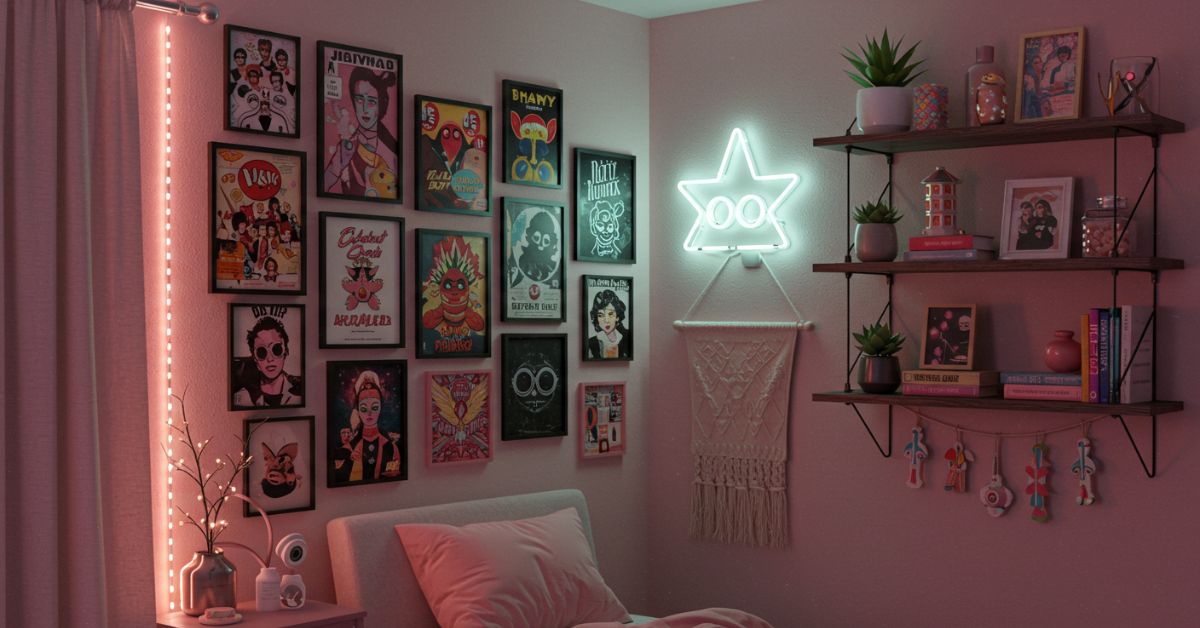
BEDROOM WALL DECOR IDEA FOR TEEN: TOP INSPIRATIONS
A teenager’s bedroom is more than just a place to sleep—it’s a space for self-expression, creativity, and relaxation.
Whether your teen prefers a minimalist look or a bold and vibrant design, there are plenty of stylish wall decor ideas to transform their room into a personalized sanctuary.
Here are some top inspirations to elevate any teen’s bedroom walls.
1. Gallery Wall with Personal Touch
Creating a gallery wall allows teens to showcase their personality. Options include:
- Framed artwork or posters of favorite bands, movies, or quotes.
- Polaroid photo collages with fairy lights for a cozy feel.
- DIY artwork or prints that reflect their style and interests.
2. Peel-and-Stick Wallpapers & Decals
For an easy and renter-friendly option, consider:
- Geometric or abstract wallpapers for a modern look.
- Nature-inspired decals like floral or celestial patterns.
- Personalized name decals or motivational quotes.
3. LED Neon Signs & String Lights
Lighting can make a huge impact on ambiance. Ideas include:
- Custom LED neon signs featuring a teen’s name or a fun phrase.
- Fairy lights arranged in creative shapes or intertwined with pictures.
- Glow-in-the-dark wall stickers for a starry night effect.
4. Floating Shelves for Decor & Storage
Maximize space while enhancing aesthetics with:
- Wall-mounted bookshelves for displaying books and collectibles.
- Minimalist wooden shelves to hold plants, candles, or trophies.
- Layered shelving for a trendy, modern appeal.
5. Tapestries & Fabric Wall Hangings
Soft fabric decor adds warmth and texture to a teen’s room. Consider:
- Bohemian-style macramé hangings for a relaxed vibe.
- Large, colorful tapestries to create an accent wall.
- DIY fabric panels featuring favorite quotes or patterns.
6. Chalkboard or Whiteboard Walls
For a practical and fun addition:
- Chalkboard paint allows for doodles, to-do lists, and creative sketches.
- Whiteboards are great for planning schedules or leaving messages.
- Magnetic boards can display notes, pictures, and mementos.
7. DIY Accent Wall with Paint or Murals
A bold painted accent wall can instantly transform a room. Ideas include:
- Ombre or color-blocking techniques for a stylish touch.
- Hand-painted murals featuring nature, cityscapes, or abstract art.
- Two-tone walls using contrasting colors for a dramatic effect.
8. Cork Boards & Pegboards for Organization
Functional decor that also looks great includes:
- Cork boards for pinning important notes, schedules, and inspirations.
- Pegboards to hold accessories, headphones, or small decor items.
- Custom-painted boards that match the room’s theme.
9. Posters & Vinyl Record Displays
Perfect for music or pop culture lovers:
- Arrange vintage vinyl records in a symmetrical or random pattern.
- Frame classic movie posters for a cinematic touch.
- Use washi tape to create a border for posters without damaging walls.
10. Hanging Plants & Greenery
Bringing nature indoors adds freshness and a serene atmosphere:
- Wall-mounted planters for succulents or small flowers.
- Hanging vines or artificial greenery for a nature-inspired decor.
- DIY plant shelves for a stylish yet functional display.
Final Thoughts
A teen’s bedroom should be a reflection of their personality and interests. By incorporating a mix of creative, functional, and stylish decor elements, their walls can become an inspiring and comforting space. Experiment with different ideas to create a unique and trendy bedroom atmosphere.
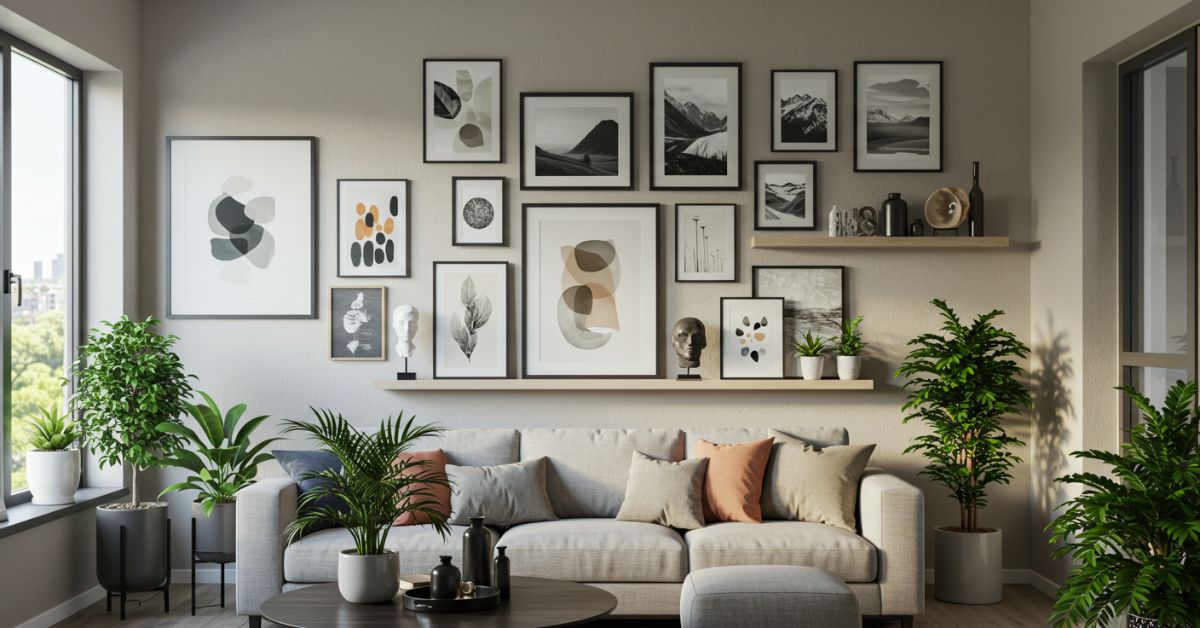
How to Style Your Walls Like a Designer: Easy Decoration Ideas That Work
Walls play a crucial role in setting the mood and aesthetic of a space.
Whether you’re looking to create a cozy retreat, a modern minimalist vibe, or a bold statement, styling your walls like a designer can transform your home effortlessly.
This guide will provide easy and practical wall decoration ideas that work for every space and budget.
1. Choose a Focal Wall
A focal wall draws attention and sets the tone for the entire room. To create one:
- Paint it in a bold or contrasting color.
- Use textured wallpaper or wall panels.
- Add large artwork or a mural to make a statement.
2. Incorporate Wall Art
Wall art is an essential element in designing a space. Consider:
- Gallery Walls: Mix and match different frame sizes, art styles, and personal photographs to create a unique look.
- Oversized Art: A single large piece can serve as a centerpiece.
- DIY Art: Personalized art adds character and uniqueness to your decor.
3. Play with Textures
Adding texture enhances the depth and visual appeal of walls. Options include:
- Wooden panels for a warm, rustic feel.
- Exposed brick for an industrial touch.
- Fabric wall hangings like macramé for a bohemian look.
- Stone or marble finishes for a luxurious vibe.
4. Utilize Mirrors
Mirrors make spaces appear larger and reflect light beautifully. To style with mirrors:
- Choose a statement mirror with an ornate or modern frame.
- Arrange multiple small mirrors in an artistic pattern.
- Lean a large mirror against the wall for a casual yet chic look.
5. Experiment with Wall Decals and Stickers
Wall decals offer an affordable way to customize your walls. Choose from:
- Motivational quotes or typography.
- Nature-inspired designs like trees, flowers, or birds.
- Fun patterns for children’s rooms or play areas.
6. Install Floating Shelves
Floating shelves combine style and functionality. Use them to:
- Display decorative objects, books, or plants.
- Organize daily essentials in an aesthetic way.
- Layer different shelf sizes for a dynamic effect.
7. Add Greenery with Wall-Mounted Planters
Bringing plants into your decor enhances freshness and vibrancy. Consider:
- Hanging planters or mounted pots.
- Vertical gardens for small spaces.
- Wall-mounted shelves for potted succulents or herbs.
8. Use Tapestries and Fabric Art
Fabric wall decor is an excellent alternative to traditional artwork. Try:
- Large woven tapestries for a soft, artistic touch.
- Colorful fabric panels to add warmth.
- Quilts or rugs hung on walls for a cozy feel.
9. Install Statement Lighting
Lighting can change the entire ambiance of a room. Some ideas include:
- Sconces or wall-mounted lamps for focused lighting.
- LED strips to highlight architectural details.
- Neon signs for a trendy, modern aesthetic.
10. Layer Different Wall Elements
For a truly designer-like feel, combine multiple elements. For instance:
- Hang artwork over a textured wallpaper.
- Place a mirror beside a gallery wall.
- Combine shelves with plants and lighting for a balanced look.
11. Customize with Personal Touches
Finally, make your space truly your own with:
- Personalized photo collages.
- DIY crafts or handmade decorations.
- Vintage finds and family heirlooms.
Conclusion
Styling your walls like a designer doesn’t require a huge budget—just creativity and the right techniques. Whether you prefer bold statement walls or subtle elegance, these easy decoration ideas can transform your space effortlessly.
Experiment with textures, colors, and decor elements to create a space that reflects your personality and taste.
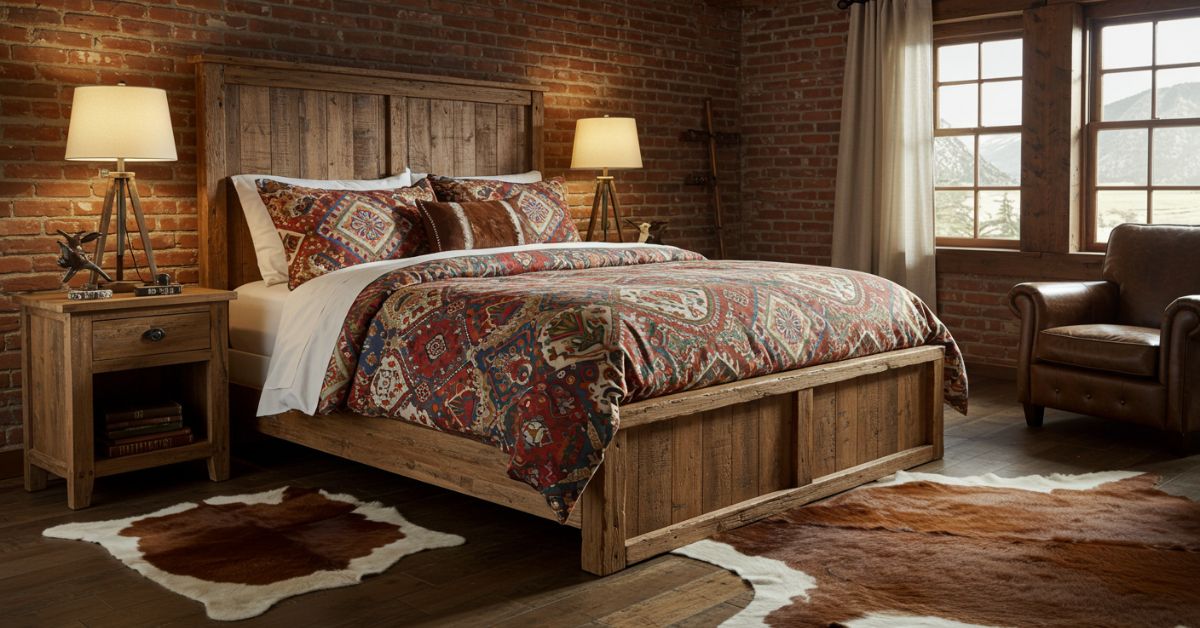
Western Bedroom Decor Idea 2025
Introduction
Western-style decor has a timeless charm that brings warmth, rustic elegance, and a touch of the wild frontier into your home.
Whether you’re aiming for a traditional cowboy aesthetic or a modern Western fusion, 2025 offers fresh trends and design inspirations that will elevate your bedroom’s ambiance.
From natural textures to vintage accents, this guide will explore the latest Western bedroom decor ideas to transform your space.
Key Elements of Western Bedroom Decor
- Rustic Wooden Furniture – Opt for reclaimed wood bed frames, barn-style dressers, and distressed nightstands to create an authentic Western vibe.
- Earth-Toned Color Palette – Shades of brown, beige, terracotta, and deep red create a cozy and inviting atmosphere reminiscent of the great outdoors.
- Leather & Cowhide Accents – Incorporate leather headboards, cowhide rugs, or throw pillows to add texture and classic Western charm.
- Southwestern & Navajo Patterns – Bedding, curtains, and wall art featuring geometric tribal prints infuse cultural depth into your decor.
- Wrought Iron & Metal Details – Consider bed frames, lamps, and decorative wall hangings with intricate ironwork for a rustic touch.
Trending Western Decor Ideas for 2025
1. Modern Western Minimalism
A fresh take on Western decor combines minimalistic design with rustic elements. This trend incorporates neutral colors, clean lines, and subtle Western accents, such as a statement leather chair or a few well-placed antlers.
2. Boho-Western Fusion
Merging bohemian and Western styles, this trend includes macramé wall hangings, woven baskets, and natural wood with vintage cowboy-inspired elements.
3. Vintage Western Revival
Bringing in antique furniture, classic Western art, and nostalgic cowboy-themed decor pieces for a touch of Old West charm.
4. Nature-Inspired Western Aesthetic
Emphasizing natural materials like raw wood, stone, and greenery, this look creates a connection to the outdoors, enhancing the Western feel of the space.
Must-Have Decor Pieces
- Wooden or leather bed frame
- Cowhide or wool area rugs
- Vintage Western artwork or wall murals
- Lantern-style bedside lamps
- Layered bedding with Southwestern prints
- Antique or handmade Western accessories
Conclusion
Western bedroom decor in 2025 blends rustic charm with modern elements, making it more versatile than ever. Whether you prefer a classic cowboy retreat or a refined Western-minimalist aesthetic, these ideas will help you create a cozy and stylish space that embraces the spirit of the West.

Transform Your Space with Smart & Stylish Home Additions
Introduction
Your home is more than just a living space—it’s a reflection of your personality and lifestyle. With modern innovations and stylish design trends, enhancing your home has never been easier. Whether you want to boost functionality, improve aesthetics, or increase property value, smart and stylish home additions can make a significant impact. This article explores some of the best ways to upgrade your home with intelligent, elegant, and practical solutions.
Smart Home Technology
The rise of smart home technology has revolutionized the way we live. Here are some must-have smart additions:
- Smart Lighting – LED smart bulbs and automated lighting systems can be controlled via smartphone apps or voice assistants, allowing you to set the perfect ambiance while saving energy.
- Smart Thermostats – Devices like the Nest or Ecobee learn your habits and adjust the temperature automatically, optimizing comfort and energy efficiency.
- Home Security Systems – From smart doorbells with cameras to AI-powered surveillance systems, enhancing home security has never been more accessible.
- Automated Blinds & Curtains – Control natural light and privacy with a touch of a button or voice command.
- Voice-Controlled Assistants – Devices like Amazon Echo or Google Nest Hub help manage your smart home seamlessly.
Stylish & Functional Home Additions
Beyond technology, stylish home additions can elevate your living experience. Consider these upgrades:
- Multi-Functional Furniture – Convertible sofas, expandable tables, and modular shelving maximize space while maintaining style.
- Indoor Greenery & Living Walls – Adding plants or vertical gardens enhances air quality and brings a touch of nature indoors.
- Statement Lighting Fixtures – A well-placed chandelier, pendant lights, or modern LED strips can transform any room’s atmosphere.
- Customized Storage Solutions – Built-in cabinets, under-stair storage, and floating shelves enhance organization and aesthetics.
- Luxury Bathroom Upgrades – Rain showers, backlit mirrors, and smart toilets elevate the bathroom experience.
Outdoor Enhancements
Transforming your outdoor area adds charm and functionality to your home:
- Smart Outdoor Lighting – Motion-sensor lights and solar-powered fixtures improve security and ambiance.
- Outdoor Kitchens & Fire Pits – Perfect for entertaining guests and enjoying the outdoors year-round.
- Landscaping & Water Features – Well-designed gardens, fountains, and ponds create a relaxing outdoor retreat.
- Deck & Patio Upgrades – Adding stylish furniture, pergolas, or retractable awnings enhances outdoor comfort.
Conclusion
By integrating smart technology and stylish design elements, you can transform your space into a modern, comfortable, and efficient living environment. Whether upgrading your interiors, enhancing security, or beautifying your outdoor area, these home additions help create a space that truly feels like home.
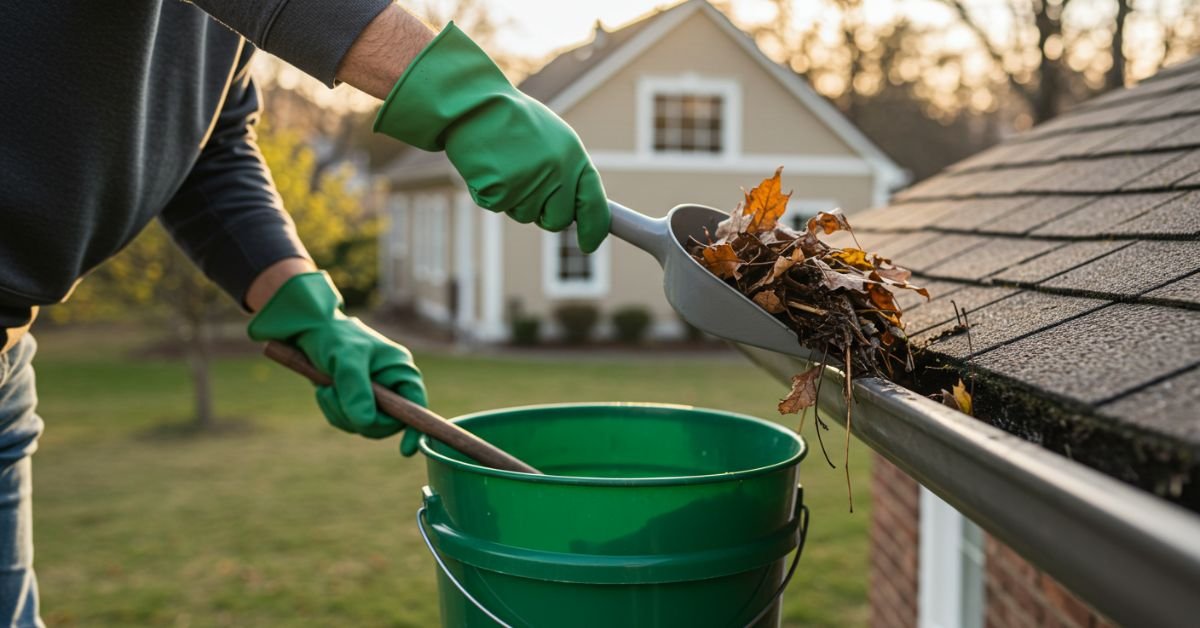
Spring Gutter Maintenance: Essential Steps for Protecting Your Home from Water Damage
Spring is the perfect time to inspect and maintain your gutters to ensure they function properly and protect your home from water damage.
Clogged or damaged gutters can lead to foundation issues, roof leaks, and mold growth.
Follow these essential steps to keep your gutters in top shape this season.
1. Inspect Your Gutters and Downspouts
Start by conducting a thorough inspection of your gutters and downspouts. Look for:
- Cracks or holes
- Rust or corrosion
- Sagging or loose sections
- Clogs and debris buildup
If you notice any significant damage, repairs or replacements may be necessary.
2. Remove Leaves and Debris
Over winter, leaves, twigs, and other debris can accumulate in gutters, leading to blockages. To clean them:
- Use a gloved hand or a small scoop to remove debris.
- Collect debris in a bucket or tarp for easy disposal.
- Flush the gutters with a garden hose to check for proper water flow.
3. Check and Secure Gutter Fasteners
Loose or sagging gutters can cause water to overflow, leading to potential structural damage. Ensure that:
- Hangers and brackets are securely fastened.
- Nails or screws are tightened.
- Additional supports are added if necessary.
4. Test Downspouts for Proper Drainage
Downspouts direct water away from your home’s foundation. To test them:
- Run water through the downspout using a hose.
- Ensure water flows freely without backing up.
- If clogged, use a plumber’s snake or pressure nozzle to clear blockages.
- Extend downspouts at least 3–5 feet from the foundation to prevent water damage.
5. Repair Leaks and Seal Joints
Even small leaks can cause significant damage over time. To fix them:
- Use gutter sealant or silicone caulk on minor leaks and seams.
- Patch larger holes with aluminum flashing and waterproof adhesive.
- Replace severely damaged sections as needed.
6. Install Gutter Guards for Future Protection
Gutter guards help prevent debris from accumulating and reduce the need for frequent cleaning. Consider:
- Mesh screens to keep out leaves and twigs.
- Foam inserts that block debris while allowing water to flow.
- Reverse curve guards that guide water into the gutter while keeping debris out.
7. Schedule Regular Gutter Maintenance
To keep your gutters in top shape:
- Inspect and clean them at least twice a year (spring and fall).
- Trim overhanging tree branches to minimize leaf buildup.
- Check for ice dam formation in winter to prevent damage.
Final Thoughts
Spring gutter maintenance is crucial for preventing costly water damage to your home. By inspecting, cleaning, and repairing your gutters regularly, you can ensure they function effectively throughout the year. Taking these proactive steps now will save you time and money in the long run.
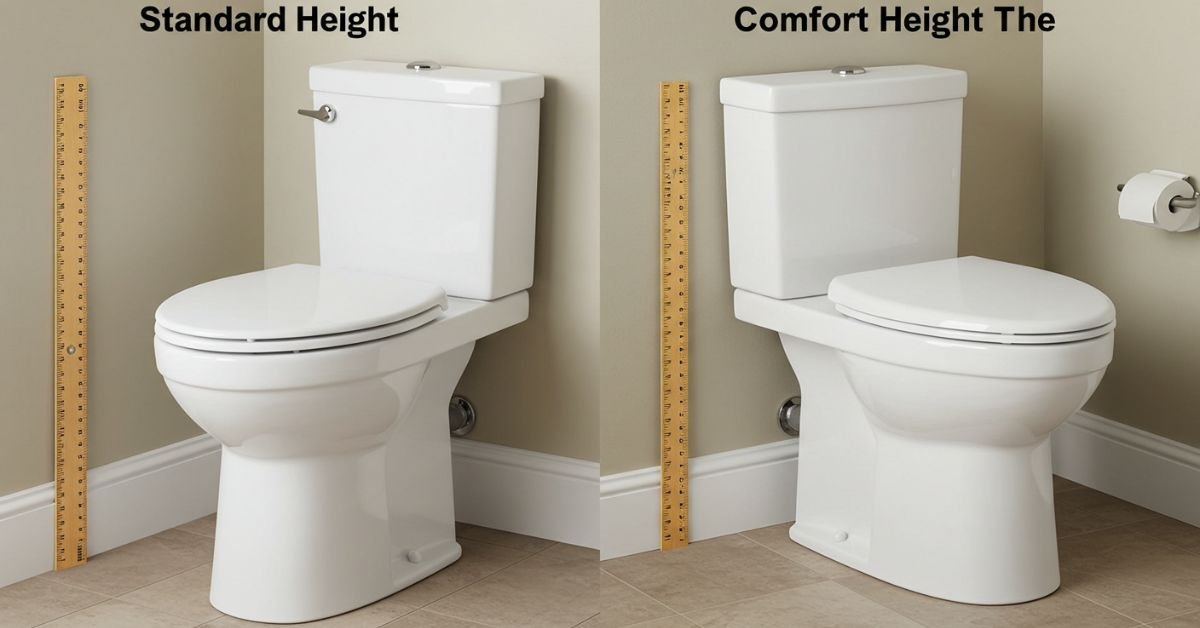
Choosing the Right Toilet Seat Height for Comfort and Functionality
Selecting the right toilet seat height is essential for comfort, accessibility, and functionality.
Whether you’re upgrading your bathroom, accommodating mobility needs, or just looking for the best fit, understanding different toilet heights can help you make an informed decision.
This guide covers standard vs. comfort height toilets, factors to consider, and tips for choosing the right option.
Standard vs. Comfort Height Toilets
There are two primary toilet seat heights available:
1. Standard Height Toilets
- Typically range between 14 to 16 inches from floor to seat.
- Best for children and shorter individuals.
- Provides a natural sitting position, similar to a regular chair.
- Often found in traditional home bathrooms.
2. Comfort Height Toilets
- Also called ADA-compliant toilets.
- Measure 17 to 19 inches from floor to seat.
- Ideal for seniors, taller individuals, and those with mobility issues.
- Reduces strain on knees and back when sitting and standing.
- Common in public restrooms and modern home renovations.
Factors to Consider When Choosing a Toilet Seat Height
1. User Needs and Comfort
- Seniors & Mobility-Impaired Users: A comfort height toilet makes it easier to sit and stand, reducing joint strain.
- Children & Shorter Adults: A standard height toilet allows a more natural position, preventing feet from dangling.
- Average Users: Consider personal comfort and family preferences when deciding.
2. Bathroom Space & Design
- Measure available space to ensure the toilet fits without feeling too bulky.
- Consider the overall aesthetics and match the toilet height with existing fixtures.
3. Health Considerations
- Higher toilets ease joint pain and mobility issues.
- Standard height toilets promote a more natural squatting position, which can aid digestion.
- Squatty potty stools can be added to comfort height toilets to mimic a more natural posture.
4. Local Building Codes & ADA Compliance
- Public restrooms and certain home installations may require ADA-compliant (comfort height) toilets.
- Check local regulations before making a purchase.
5. Installation & Cost
- Comfort height toilets may cost slightly more due to their ADA compliance.
- Consider professional installation if modifications to plumbing are needed.
Additional Toilet Height Options
Besides standard and comfort height, some specialized options exist:
- Child-Sized Toilets (10–12 inches): Perfect for nurseries, preschools, and family-friendly bathrooms.
- Extra Tall Toilets (20–22 inches): Designed for exceptionally tall individuals or those needing additional accessibility.
- Adjustable Height Toilets: Some models allow customization to meet specific user needs.
Final Thoughts
Choosing the right toilet seat height impacts daily comfort, accessibility, and overall bathroom functionality. Standard height toilets suit general household use, while comfort height toilets provide added ease for seniors and those with mobility concerns. Consider user needs, bathroom space, and any health conditions to make the best choice.
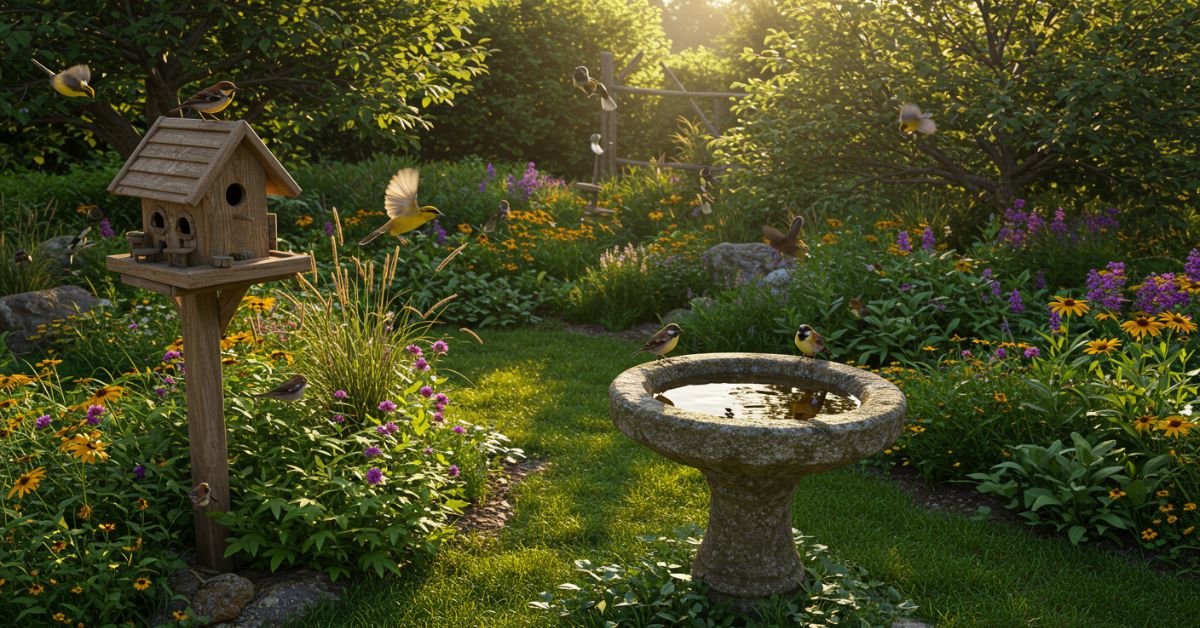
Creating Bird-Friendly Gardens: From Nest Boxes to Native Plants
Birds bring life, color, and song to any garden, making outdoor spaces more vibrant and dynamic. Creating a bird-friendly garden not only provides a sanctuary for birds but also helps support biodiversity and ecological balance.
Whether you’re an avid birdwatcher or simply want to contribute to conservation efforts, here’s how you can make your garden a welcoming haven for birds.
1. Provide Nesting Sites with Nest Boxes
Natural tree cavities are disappearing due to urbanization, making it harder for birds to find safe nesting sites. Installing nest boxes can help provide a secure shelter for cavity-nesting species like bluebirds, chickadees, and wrens. Here are some tips for setting up nest boxes:
- Choose the right size for your target bird species.
- Position boxes at the correct height and away from predators.
- Ensure proper ventilation and drainage to keep nests dry.
- Clean out boxes at the end of the breeding season to prevent disease.
2. Grow Native Plants for Food and Shelter
Native plants are the best choice for a bird-friendly garden because they provide natural food sources like seeds, berries, and nectar. Some great options include:
- Berry-producing shrubs (dogwood, elderberry, serviceberry)
- Flowering plants (coneflower, milkweed, bee balm)
- Nut- and seed-bearing trees (oak, pine, hickory)
- Dense shrubs and evergreens for shelter and nesting
These plants attract insects, which are crucial for many birds, especially during breeding season when they need extra protein for their young.
3. Set Up Bird Feeders for Extra Nutrition
While natural food sources are ideal, bird feeders provide supplemental nutrition, especially in colder months. Consider different types of feeders:
- Tube feeders for finches and chickadees
- Hopper feeders for cardinals and jays
- Suet feeders for woodpeckers and nuthatches
- Nectar feeders for hummingbirds
Always keep feeders clean to prevent disease and place them near trees or shrubs for birds to retreat to safety.
4. Supply Fresh Water Sources
Birds need water for drinking and bathing. A birdbath, pond, or small fountain can attract birds and keep them hydrated. To ensure water remains fresh and safe:
- Change water regularly to prevent mosquitoes.
- Place birdbaths in shaded areas.
- Add a small rock or perch for birds to stand on while drinking.
- Use a heated birdbath in winter to prevent freezing.
5. Avoid Pesticides and Chemicals
Pesticides and herbicides can harm birds directly or reduce their food supply by killing off insects. To create a safe environment:
- Use organic gardening methods.
- Encourage natural pest control by attracting insect-eating birds.
- Companion plant to repel pests naturally.
6. Create Diverse Habitats
A mix of open spaces, dense shrubs, tall trees, and grassy patches will attract a variety of birds. Different birds have different habitat preferences:
- Woodland birds like nuthatches and warblers prefer trees.
- Meadow birds like sparrows and finches need tall grasses.
- Ground-foraging birds like robins appreciate open lawn spaces.
7. Keep Cats Indoors
Outdoor cats are a major threat to birds. If you own a cat, keep it indoors or create a catio (enclosed outdoor space) to protect wildlife.
8. Participate in Citizen Science Projects
Once your garden starts attracting birds, consider contributing to bird conservation efforts by participating in projects like:
- The Great Backyard Bird Count
- The eBird database (Cornell Lab of Ornithology)
- The NestWatch program
Conclusion
Creating a bird-friendly garden is a rewarding way to support wildlife while enhancing your outdoor space. By providing shelter, food, water, and safe nesting sites, you can help birds thrive while enjoying their presence throughout the seasons.
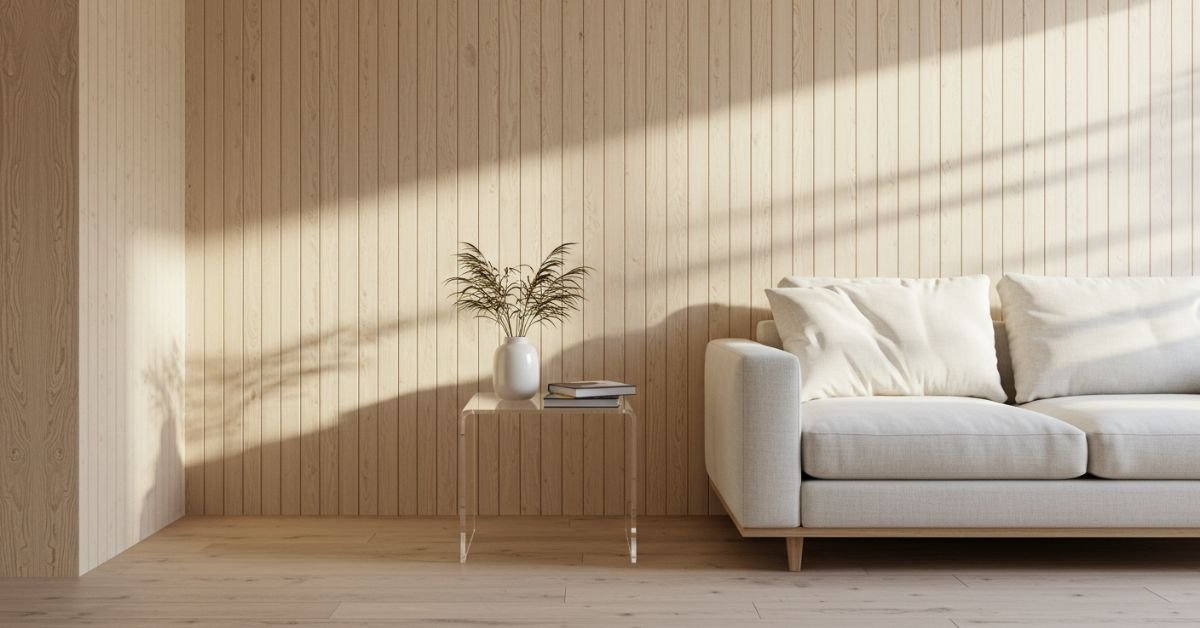
Wall Panels in Small Spaces: How to Make a Room Look Bigger
Introduction
Small spaces can feel cramped and restrictive, but with the right design techniques, you can create the illusion of a larger, more open room.
Wall panels are an excellent way to add texture, depth, and style while visually expanding your space.
Whether you choose vertical panels, mirrored surfaces, or light-colored designs, wall panels can transform the look and feel of any small room.
Choosing the Right Wall Panels for Small Spaces
1. Vertical Wall Panels for Height Illusion
- Opt for floor-to-ceiling vertical panels to draw the eye upward.
- Vertical lines create an elongated effect, making ceilings appear higher.
- Wood slats, beadboard, or vertical grooves work well for this purpose.
2. Light-Colored Wall Panels for Openness
- Light tones like white, soft gray, or pastel shades reflect light and brighten up a room.
- Glossy or semi-gloss finishes can further enhance the sense of space.
- Avoid dark, heavy colors that can make the room feel smaller.
3. Mirrored or Reflective Panels for Depth
- Mirrored wall panels bounce light around the room, instantly creating depth.
- Glossy or metallic finishes have a similar reflective effect.
- Use in combination with natural light sources for maximum impact.
4. Slim or Minimalist Paneling for a Sleek Look
- Avoid bulky or heavy panels that add visual weight to a small room.
- Choose thin paneling designs that blend seamlessly with the walls.
- Smooth, flat panels with subtle textures can add interest without overwhelming the space.
5. Continuous Paneling for a Unified Look
- Extending panels across multiple walls creates a cohesive and expansive effect.
- Avoid breaking up walls with too many color contrasts or patterns.
- Use the same paneling style throughout to maintain visual flow.
Best Wall Panel Materials for Small Spaces
✅ MDF Panels – Lightweight and available in various designs.
✅ PVC Panels – Water-resistant and great for small bathrooms or kitchens.
✅ Wood Panels – Natural and warm, but best in light finishes.
✅ 3D Textured Panels – Subtle designs add depth without clutter.
Additional Tips for Maximizing Space with Wall Panels
- Use Vertical Lighting – Wall-mounted sconces or LED strips enhance height perception.
- Combine with Minimalist Furniture – Keep furnishings light and space-saving.
- Integrate Built-in Storage – Wall panels can conceal storage compartments.
- Avoid Excessive Decor – Let the wall panels be the focal point.
Conclusion
Wall panels are a stylish and functional way to make small spaces feel larger, brighter, and more inviting.
By choosing light colors, vertical designs, and reflective surfaces, you can create a spacious and elegant interior without major renovations.
Whether you’re decorating a small bedroom, bathroom, or living area, the right wall panels can transform the entire ambiance of the space.

Spring Gutter Maintenance: Keep Your Home Safe from Water Damage
Introduction
Spring is the perfect time to give your home a fresh start, and that includes ensuring your gutters are in top shape.
Gutters play a crucial role in protecting your home from water damage, preventing costly repairs due to leaks, foundation issues, and mold growth.
This guide covers the essential steps to maintain your gutters effectively and keep your home safe all season long.
Why Spring Gutter Maintenance Matters
Spring showers can wreak havoc on neglected gutters, leading to:
✅ Roof Leaks – Overflowing water can damage shingles and cause interior leaks.
✅ Foundation Erosion – Poor drainage weakens your home’s foundation over time.
✅ Mold & Mildew Growth – Excess moisture creates the perfect environment for fungi.
✅ Pest Infestation – Stagnant water attracts mosquitoes, rodents, and insects.
Regular gutter maintenance ensures smooth water flow, prevents damage, and extends the life of your home’s exterior.
Essential Steps for Spring Gutter Maintenance
🔍 1. Inspect Your Gutters & Downspouts
- Walk around your home and check for cracks, rust, or sagging sections.
- Look for leaks at joints and seams.
- Ensure that gutters are securely attached to the fascia board.
🧹 2. Remove Leaves & Debris
- Wear protective gloves and use a gutter scoop or trowel.
- Clear out leaves, twigs, and dirt.
- Flush gutters with a garden hose to remove leftover debris.
🚰 3. Unclog Downspouts
- If water isn’t flowing freely, check for blockages.
- Use a high-pressure hose or plumber’s snake to clear clogs.
- Ensure downspouts extend 3-5 feet away from your home’s foundation.
🔧 4. Repair Leaks & Damage
- Seal minor leaks with waterproof gutter sealant.
- Replace sections of gutters that show severe rust or cracks.
- Tighten any loose screws or brackets.
💦 5. Ensure Proper Drainage
- Make sure water is directed away from your home’s foundation.
- Install downspout extenders or splash blocks if needed.
- Keep landscaping clear of obstructions to allow proper drainage.
🛡️ 6. Install Gutter Guards for Extra Protection
- Mesh screens, foam inserts, or reverse-curve guards help prevent clogging.
- Regularly check gutter guards to keep them working effectively.
📅 7. Schedule Seasonal Gutter Maintenance
- Clean your gutters at least twice a year (Spring & Fall).
- Inspect gutters after heavy rainstorms.
- Consider hiring a professional service if your home has multiple stories.
Conclusion
Spring gutter maintenance is a simple yet crucial task that helps protect your home from costly water damage.
By following these steps—inspecting, cleaning, repairing, and improving drainage—you’ll ensure your gutters stay in top condition, keeping your home safe and dry all year long.