

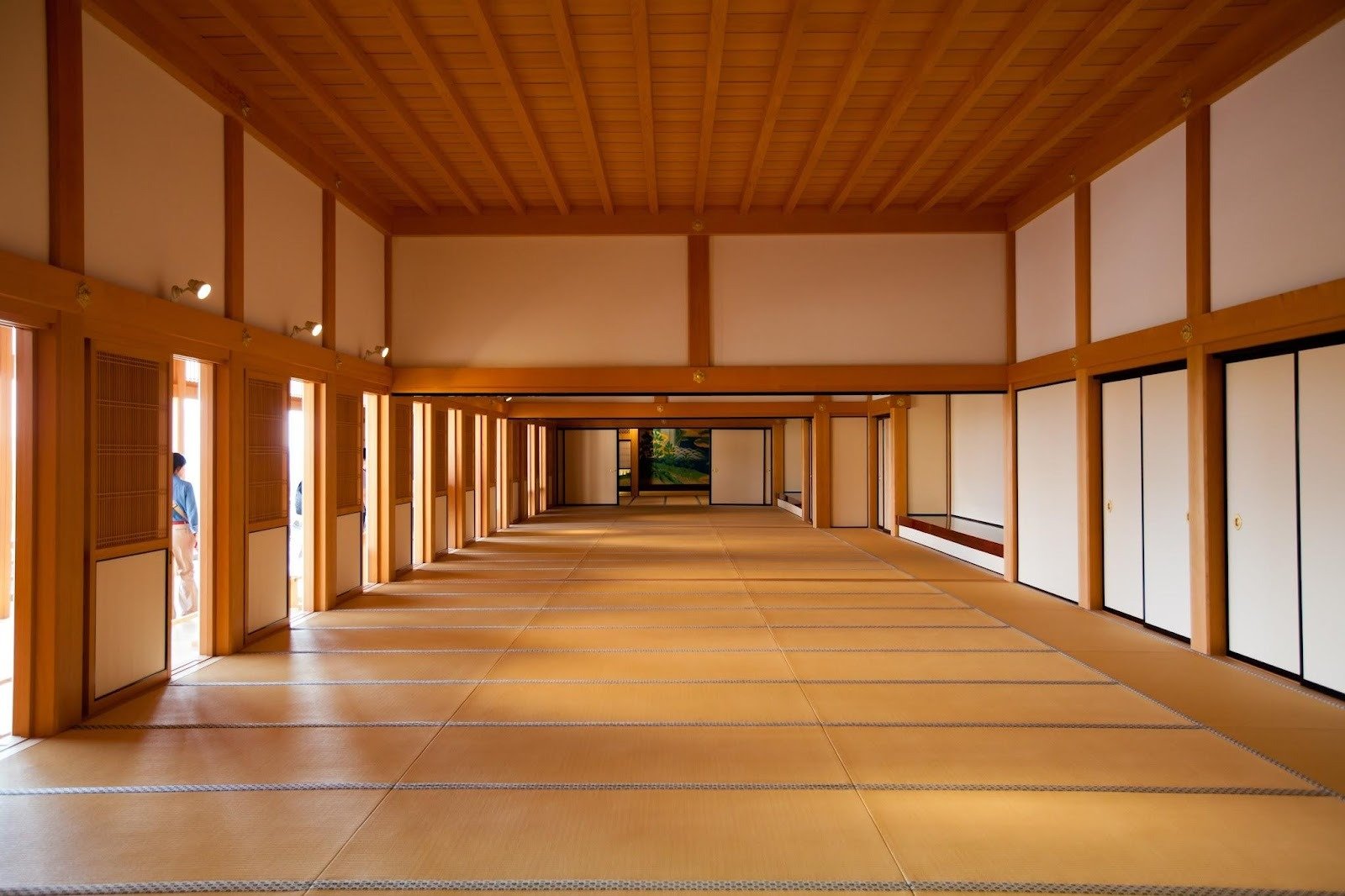
Timber has always played a central role in construction, but its influence has grown far beyond framing and support. In modern homes, wood is increasingly valued for its ability to connect structure with design. It serves not only as a reliable building material but also as a defining element in the look and feel of a space.
This dual role has encouraged builders and designers to think more creatively about how timber is used. From engineered structural systems to custom interior finishes, wood now contributes to both the performance and personality of a home. The result is a more cohesive approach to construction—one where materials are chosen not just for what they do, but for how they shape the overall experience of living in a space.
The Expanding Role of Timber in Modern Construction
Timber’s evolution in construction has been driven by both innovation and necessity. As building standards become more demanding, materials must offer strength, efficiency, and adaptability. Wood continues to meet these expectations while also supporting sustainable building practices.
Advancements in engineered wood products have opened new possibilities for timber use. Resources such as the mass timber technical reference guide highlight how modern wood systems can achieve impressive structural performance. These developments allow timber to be used in ways that were once limited to heavier materials.
This shift has positioned wood as a forward-looking solution, capable of meeting the needs of contemporary construction while maintaining its natural advantages.
Why Timber Woodwork Stands Out in Residential Projects
Blending Structure with Craftsmanship
One of the defining qualities of timber is its ability to bridge the gap between structural function and craftsmanship. While it provides the framework that supports a home, it also lends itself to detailed finishes that enhance visual appeal. This combination allows builders to create spaces that feel both solid and thoughtfully designed.
Wood’s natural texture and grain patterns add a level of detail that manufactured materials often lack. Each piece carries subtle variations that contribute to a more organic and authentic aesthetic. This makes timber particularly appealing in homes where character and individuality are valued.
Adaptability Across Different Design Styles
Timber’s versatility extends across a wide range of architectural styles. It can complement traditional designs with rich tones and detailed finishes, or it can be used in minimalist spaces to introduce warmth and balance. This adaptability allows designers to experiment while maintaining a cohesive overall look.
Whether used for exposed beams, cabinetry, or flooring, timber integrates seamlessly into different environments. Its ability to work alongside materials like glass, steel, and stone makes it a key component in modern design.
Working with Skilled Woodwork Specialists
The quality of timber work depends heavily on the expertise behind it. Skilled professionals understand how to select the right type of wood, apply proper treatments, and execute designs with precision. Their knowledge ensures that each element performs as intended while contributing to the overall aesthetic.
Collaborating with experienced teams offering woodwork from Tar River Timber Works allows builders and homeowners to achieve a higher level of detail and consistency. Their approach focuses on both structural integrity and refined finishes, ensuring that timber is used to its full potential.
This expertise becomes especially important in custom projects where precision and coordination are critical. With the right team in place, even complex designs can be executed smoothly and effectively.
Enhancing Interior Design Through Timber Elements
Timber has become a cornerstone of interior design, offering a natural counterbalance to modern materials. Its warmth helps create spaces that feel comfortable and inviting, while its versatility allows it to be used in both subtle and bold ways.
From feature walls to custom furniture, wood adds depth and texture that elevate a room’s overall design. It can serve as a focal point or as a supporting element that ties different aspects of a space together. This flexibility makes it a valuable tool for designers looking to create cohesive interiors.
For those exploring broader design ideas, this comprehensive overview of interior design concepts provides insights into how materials like timber can be integrated into a well-balanced and visually appealing space.
Balancing Durability and Aesthetic Appeal
While timber is known for its visual qualities, its durability is equally important. Properly treated and maintained wood can withstand the demands of daily use while retaining its appearance over time. This balance between durability and aesthetics makes it a practical choice for both structural and decorative applications.
Environmental factors such as moisture and temperature changes must be considered to ensure long-term performance. With the right preparation and care, timber can remain stable and resilient, even in challenging conditions.
This combination of strength and beauty is what sets timber apart. It allows homeowners to invest in materials that not only look good but also perform reliably for years to come.
The Future of Timber Woodwork in Home Design
As construction and design continue to evolve, timber is expected to play an even larger role in shaping modern homes. Advances in technology are making it possible to use wood in more innovative ways, from large-scale structural systems to intricate custom details.
At the same time, there is a growing emphasis on sustainability and responsible material use. Timber aligns naturally with these priorities, offering a renewable resource that supports environmentally conscious building practices.
This combination of innovation and sustainability ensures that timber will remain a key material in the future of home design. Its ability to adapt while maintaining its core strengths makes it a reliable choice for both builders and designers.
Conclusion
Timber woodwork continues to redefine how homes are built and designed, offering a seamless blend of structure and style. Its versatility allows it to support both functional and aesthetic goals, making it a valuable material in modern construction.
By combining skilled craftsmanship with thoughtful design, builders can create spaces that are not only durable but also deeply engaging. Timber’s enduring appeal lies in its ability to bring warmth, strength, and character to every project, ensuring its place at the center of residential design for years to come.
READ ALSO: Top 10 Whole House Air Freshener Systems for a Fresher Home in 2025